Category Archives: Hardwood Floors

Everything to Know About Solid Hardwood Flooring


Ultimate Guide to Solid Hardwood Flooring

Hardwood flooring is a timeless, elegant choice for homes of all architectural styles and interior designs. At Elegant Floor Services, we have decades of experience installing solid hardwood flooring in the Washington Metropolitan Area. Read through our guide to everything you need to know about this durable, versatile flooring, and then call us to request a free estimate.
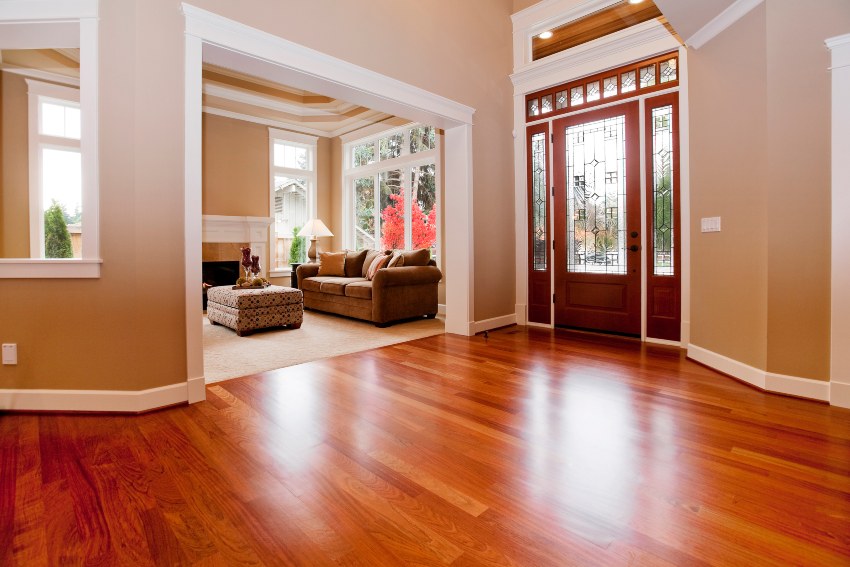
A finished hardwood floor in the living room in the Baltimore & D.C Metropolitan Areas

What Is Solid Hardwood Flooring?

Solid hardwood is harvested from forests and then manufactured into flooring planks from a single piece of wood that runs from top to bottom. After being cut from a tree, it is milled into planks, dried in a kiln, and sawn or cut to the desired dimensions. It is then left unfinished or is pre-finished with a stain or protective coating.

Different Types of Hardwood Flooring

When choosing your flooring, you will need to consider the pros and cons of each species of hardwood as well as the natural variations in color, grain, and pattern within species. The most common types of solid wood flooring are:

  • Red and White Oak – Red and white oak are popular because of their affordability, versatility, and durability. They are ideal for use in high-traffic areas. Red oak ranges in color from deep brown or tan to red. White oak ranges from light tan or beige to a deep golden brown.
  • Walnut – Walnut is a little softer than oak, but still durable and practical. It ranges from blonde or golden brown to deep, rich chocolate.
  • Hickory – Hickory floors can last a lifetime with proper care. It can come in warm golden brown or tan to a deep reddish hue. Its grain pattern is swirling and unique. It is highly durable and can be installed in high-traffic areas.
  • Maple – Maple is durable, versatile, and easy to maintain. It is ideal for high-traffic areas and has a smooth, uniform grain pattern. It ranges in color from pale yellow to deep golden brown, and different varieties like curly maple and birdseye maple have distinct and unique grain patterns.

Benefits of Installing Solid Hardwood Floors

While more expensive than engineered wood flooring, natural hardwood flooring is highly durable and can be repaired and restored throughout the years to enhance its beauty and functionality. With proper care, your floor can last for generations without needing to be replaced. Let’s look at some of the biggest benefits of installing solid hardwood floors:

  • Highly durable and resistant to scratches, gouges, scuffs, and other damage
  • Easy to clean and low-maintenance
  • Doesn’t attract allergens, making it ideal flooring for people who have respiratory problems
  • Elegant, timeless, and beautiful and can complement any home decor, style, or architecture
  • Color won’t fade over time
  • Can be restored and repaired to extend its lifespan
  • With proper installation and care, it can increase the resale value of your home

Maintenance & Care Tips to Preserve Your Flooring

Your flooring will last longer and look better if you care for it properly. Here are our tips for maintaining your floors:

  • Regularly sweep or vacuum the floor to remove dust and debris.
  • Use a soft or microfiber dust mop to clean the floor.
  • Avoid excessive water exposure and use a damp mop for tough spills.
  • Use cleaning products and tools that are specifically designed for solid hardwood flooring.
  • Do not use abrasive cleaners, cleaning tools, or harsh chemicals.
  • Protect your floors from scratches or damage from furniture, foot traffic, pets, and children.
  • Maintain a moderate level of humidity to prevent warping and cracking.
  • Reapply a finish every few years.
  • Sand and refinish to address deep scratches or damage.

Choosing Between Hardwood Floor Finishes & Paint

You can choose prefinished or unfinished hardwood. Hardwood floor finishes can protect your floors from damage and pests, extend their lifespan, and enhance their beauty. Here is a look at your finishing options:

  • Oil-Based Polyurethane – This gives the wood an amber or gold hue and protects it from water, pests, and scratches.
  • Water-Based Polyurethane – This dries to form a clear finish and protects the floor from minor damage and stains.
  • Stain – This changes the color of the wood and enhances its grain. It should be applied before a protective finish.
  • Paint – This allows you to change the color of unfinished wood to any color.

Recognizing Signs You Need Hardwood Floor Repairs

If your flooring does become damaged you can have it professionally repaired or restored. Choose a flooring company with experience in solid hardwood repair and restoration services. Here are some of the signs you need repairs:

  • Surface damage, such as scratches, dents, or gouges
  • Discoloration, stains, fading, or uneven color changes
  • Visible water stains or water damage, warping, buckling, or rotting
  • Boards that curve upward in a concave shape
  • Cracks or gaps between planks or between the wall or baseboards and the floor
  • Insect or rodent damage, such as holes, cracks, or chunks missing

Call Us for Hardwood Floor Repairs or Installation

At Elegant Floor Services, we have been providing professional, high-quality flooring services to home and business owners for over 40 years. We specialize in solid hardwood flooring installation, maintenance, repair, and restoration. We can help you choose the right type of flooring for your preferences and budget. Call us now or contact us online to request a free estimate for installing solid hardwood floors in the Washington Metropolitan Area.
How Summer Humidity Affects Hardwood Floors & How to Prevent Damage


How Humidity Affects Hardwood Floors & How to Prevent Damage

One of the biggest threats to your hardwood flooring is the shifting level of water vapor in the air. The relationship between humidity and hardwood floors is a delicate balance. If the air becomes too damp or excessively dry, the planks will expand or shrink. This constant movement puts enormous stress on the wood, eventually leading to permanent structural issues that can be expensive to fix.

Understanding the connection between moisture and hardwood floors is crucial for protecting your home. By learning to identify the early warning signs of environmental stress, you can take action before minor issues become major headaches.

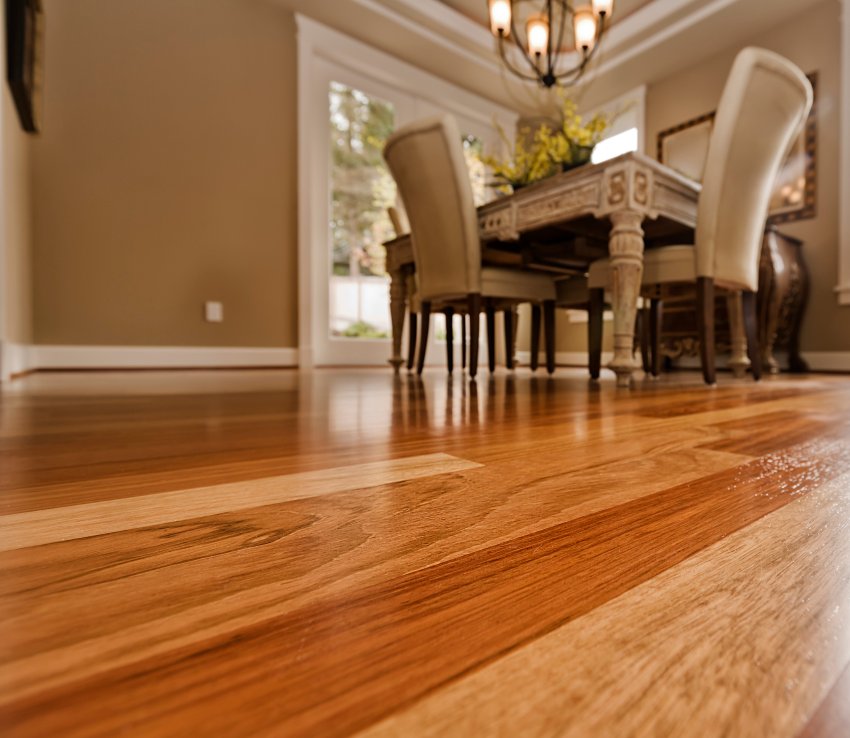
Hardwood floor showing effects of humidity in dining room interior by Elegant Floor Services

Common Problems Caused by Summer Humidity

When the weather gets hot, the air naturally holds more water. As warm, damp air seeps into your home, your wood flooring acts like a giant sponge. The planks absorb this excess moisture and begin to expand. Because the boards are installed tightly together, they have nowhere to go but up against each other.

This expansion creates pressure along the edges of the planks. You might start noticing that the floor feels slightly uneven. If the pressure builds up too much, the boards will start to push upward. Damage to hardwood floors during summer is common, especially in regions that experience severe heat waves. While a small amount of seasonal expansion is normal, excessive swelling can ruin the structural integrity of your flooring.

Signs Your Hardwood Floor Is Affected by Humidity

You should routinely inspect your floors for changes in their texture and appearance. Spotting these symptoms of moisture stress can save you from extensive repairs:

  • Cupping – This happens when the edges of a plank rise higher than its center. It creates a wavy, washboard effect across the floor. Cupping usually indicates that the bottom of the board is wetter than the top surface.
  • Crowning – The opposite of cupping, crowning occurs when the center of the board bulges upward. This often happens when the floor is exposed to surface water or when previously cupped floors are sanded flat before they fully dry.
  • Buckling – This is the most extreme reaction to excess moisture. The planks pull away from the subfloor, lifting several inches into the air.
  • Squeaking – As boards expand and rub against each other, they often produce loud squeaking or creaking sounds when you walk over them.
  • Gaps – While summer brings swelling, winter heating systems dry out the air. The wood loses water and shrinks, creating noticeable gaps between the boards.

How Humidity Affects Floor Finishes and Coatings

Moisture doesn’t just harm the wood itself. It also attacks the protective finish applied to the surface. Floor coatings are designed to flex slightly, but extreme swelling or shrinking pushes these finishes past their breaking point.

When the planks expand dramatically, the protective seal can stretch and crack. This leaves the raw wood exposed to dirt, spills, and further moisture intrusion. Sometimes, high humidity during the actual application of a finish can cause it to dry improperly. This results in a cloudy, milky appearance rather than a clear, glossy shine. Maintaining a stable environment is just as crucial for the finish as it is for the wood beneath it.

Ways to Prevent Hardwood Floor Damage

To prevent environmental damage to your hardwood floors, it’s essential to maintain strict climate control. Here’s how:

  • Maintain Stable Temperature and Humidity – Aim for a temperature between 60 and 80 degrees and a relative humidity between 35% and 55% year-round. This optimal humidity for hardwood floors prevents the wood from expanding and contracting excessively.
  • Limit Direct Sunlight – Close your blinds or curtains during the hottest parts of the day. Direct sunlight heats the wood, causing it to absorb more moisture from the air.
  • Acclimate New Flooring – If you’re installing new floors, let the wood acclimate inside your home for at least seven to 10 days before installation. This allows the planks to balance their moisture content with your home’s environment.
  • Clean Cautiously – Avoid using wet mops or steam cleaners. These methods introduce excessive moisture directly into the wood grain, which can cause damage.

Long-Term Solutions for Humidity Control

While daily habits are helpful, long-term solutions offer more reliable protection by actively managing your home’s air quality. These solutions include:

  • Investing in a Dehumidifier – In the summer, a dehumidifier will actively extract excess water vapor, keeping the room within the safe humidity zone.
  • Using a Humidifier in Winter – During dry winter months, a whole-home humidifier adds necessary moisture back into the air, preventing the wood from shrinking and splitting.
  • Using Protective Mats – Placing mats at entryways and high traffic areas can protect your hardwood floor from dirt, grit, and moisture tracked in from outside.
  • Avoiding Harsh Cleaning Products – When cleaning your hardwood floors, avoid harsh chemicals that can strip away the finish or damage the wood. Stick to gentle cleaners designed for use on wood flooring.

Preserve the Beauty and Integrity of Your Hardwood Floors

Moisture will always be a natural enemy of wood, but it doesn’t have to be a destructive one. By monitoring your indoor climate, using the right tools to balance the air, and maintaining the ideal temperature and humidity for your hardwood floors, you can stop cupping, buckling, and gapping before they start. Your hardwood floors can easily last a lifetime if they’re treated with care, and a little prevention goes a long way in preserving their natural beauty and integrity. If you need professional maintenance or repair for your hardwood floors, contact Elegant Floor Services today.

Wooden Flooring for Stairs Benefits and Installation

Elevate Your Home With Wood Flooring for Stairs

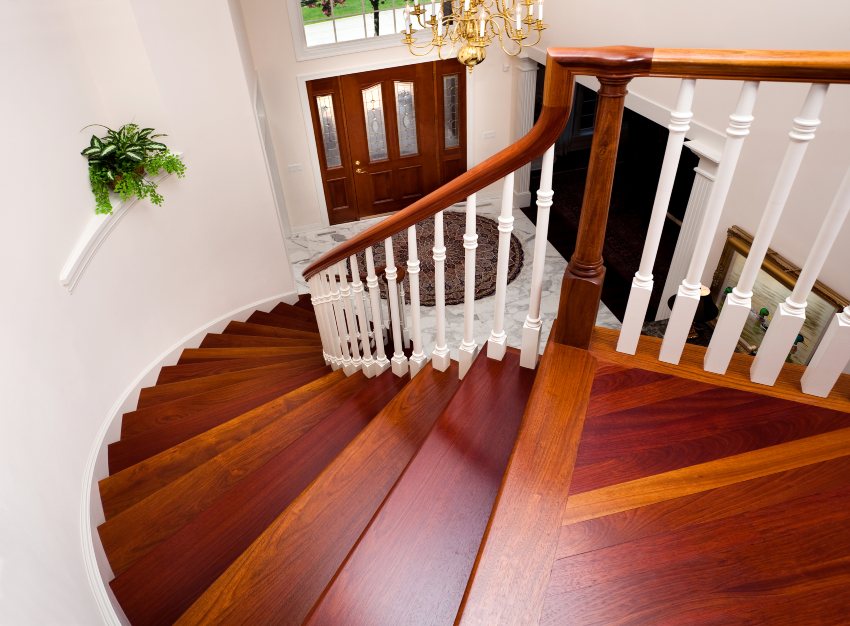
When it comes to home design, staircases are often overlooked. Homeowners typically consider staircases in terms of functionality, despite being a focal point of the space. Whether you have a grand staircase in the center of your foyer or it’s tucked away to the side, wooden flooring for stairs offers both functionality and style. Choosing wood flooring for your stairs can elevate the overall aesthetic and lend a timeless, elegant touch to your space. Plus, there are multiple practical advantages that make wooden stairs an excellent option for many households. Whether you’re remodeling your space or building a dream home, the professionals at Elegant Floor Services can help you make the right decision about your stairs.

A staircase featuring wooden floors installed by Elegant Floor Services in the Washington Metro Area

Why Homeowners Choose Wooden Flooring for Stairs

Wood flooring is a versatile and durable option when it comes to staircases. But what makes it so popular for both traditional and contemporary homes? Below are the key reasons homeowners are turning to wood flooring for their stairs:

  • Timeless Aesthetic Appeal – Wood flooring exudes sophistication and charm. Unlike carpeting or tiles, wood seamlessly works with various interior styles, including rustic farmhouses and sleek modern homes. The rich grains, natural textures, and warm tones of wood create a stunning visual effect that can transform a staircase into an architectural masterpiece.
  • Durability and Longevity – When properly maintained, wooden stairs can last for decades without losing beauty. Unlike carpeting, which may need replacement in a few years due to wear and tear, hardwood flooring easily stands up to daily foot traffic. Plus, minor scratches and scuffs can often be repaired rather than requiring a full replacement.
  • Easy Maintenance – Unlike carpets that trap dust, allergens, and stains, wood flooring is effortless to clean. A simple sweep or vacuum followed by occasional mopping will keep your staircase looking pristine.
  • Value Addition – Installing wood flooring on your stairs can enhance your home’s resale value. Buyers often perceive wooden stairs as a premium feature, and their lasting durability ensures the investment pays off over time.

Different Types of Wood for Your Staircase

There are many different wood species. Each one has distinct features and character. Choosing which is right for your home is a personal decision. However, understanding the characteristics of each type of wood can ensure you make the right choice. Learn more about the different benefits of some of the most common types of wood options:

  • Oak – Oak is one of the most popular choices due to its strength and durability. It resists dents and scratches well, making it perfect for high-traffic areas like staircases. Oak is also available in red and white varieties, offering warm and neutral tones to suit any design scheme.
  • Maple – Maple is a sleek, light-hued hardwood that works beautifully in minimalist and modern designs. Its hardness and resistance to abrasion make it a practical choice for homes with children and pets.
  • Walnut – Known for its rich, dark tones and elegant grain patterns, walnut adds a touch of luxury to any staircase. While slightly softer than oak or maple, it still provides good durability for residential use.
  • Pine – Pine could be the ideal choice if you’re after a more budget-friendly option. However, as a softer wood, it may show wear more quickly and may not be suitable for high-traffic homes.
  • Bamboo – Bamboo is an eco-friendly option that’s quickly gaining popularity. It’s incredibly durable and offers a unique aesthetic appeal for modern homes.

How to Install Wood Flooring on Stairs

There are multiple steps to installing wood floors on your staircase to ensure safety, durability, and style. Wood flooring installation is a delicate process that takes meticulous planning to ensure every aspect of your project exceeds your expectations. Learn more about the process of installing new wood flooring on your staircase:

  • Measuring and Planning – Precise measurements are taken to ensure every step fits perfectly before installation. Planning includes deciding on the type of wood, finish, and design.
  • Acclimation – Natural wood expands and contracts. To prevent gaps or bowing during installation, the wood flooring must acclimate to your home over 72 hours.
  • Preparing the Substructure – Next, our flooring technicians inspect and prep existing stairs by leveling, sanding, or reinforcing the underlying structure.
  • Cutting and Installation – Each plank is individually cut to fit the dimensions of the steps. The wood is securely glued or nailed down to prevent movement or creaking.
  • Finishing Touches – Once installed, your wooden staircase is sanded and finished with a protective coating to add shine, enhance durability, and prevent damage from moisture.

Follow These Maintenance Tips for Long-Lasting Wood Staircases

Whether you’ve got a brand new wood staircase professionally installed or your existing staircase needs some care, following these easy maintenance tips will help improve durability and longevity and restore the character of your natural wood surface.

  • Clean regularly to prevent scratches.
  • Use wood-safe cleaning products to maintain the finish.
  • Place area rugs to minimize wear and tear.
  • Fix scratches with touch-up pens for a fantastic appearance.

Common Wooden Staircase Mistakes to Avoid

Whether you’re an experienced contractor considering wood flooring for your staircase project, getting started on a DIY project, or a homeowner with a wooden staircase that requires routine upkeep to stay safe and beautiful, we recommend avoiding these mistakes:

  • Skipping Planning – Improper measurements or rushed planning can lead to ill-fitting planks and mismatched finishes.
  • Using the Wrong Type of Wood – Not all wood is suited to high-traffic areas. Softer woods like pine may wear down quickly, while the wrong type of finish can make wood prone to scratches.
  • Ignoring Safety – Wooden stairs can be slippery. If safety is a concern, opt for anti-slip treatments or consider adding a runner.
  • Neglecting Maintenance – Failing to regularly clean and care for your wood flooring can lead to damage, dullness, and costly repairs.
  • DIY Installation Without Experience – While DIY can save costs, improper installation may result in creaky, uneven stairs. Hiring a professional ensures the best results.

Transform Your Home With Wooden Staircases

Wooden staircases offer the perfect blend of style, functionality, and durability. Whether you’re drawn to the timeless charm of oak or walnut’s modern elegance, wood flooring matches every home’s aesthetic and needs. If you’re considering wood flooring for your staircase but aren’t sure where to start, we’re here to help. Our team of experts can guide you through the process, helping you select the perfect wood while ensuring a flawless installation.

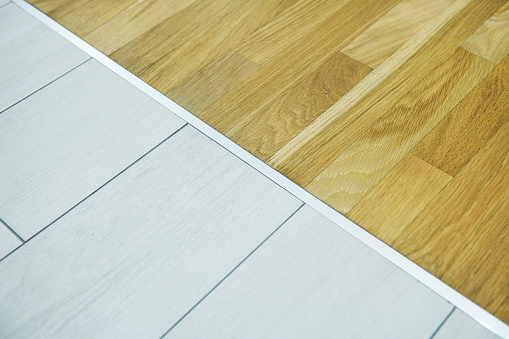
Wood and tile flooring transition in the Washington Metropolitan Area

How to Transition Between Two Different Floors

Imagine a world where your floors flow smoothly from each room. Imagine a hardwood floor extending unbroken from the living room to the bedroom, the kitchen, and even the bathroom. Make your visions happen with the correct floor transitions. Floor transitions are an essential part of your flooring design. Elegant Floor Services helps customers in Silver Spring, MD, learn how to transition between two different floors. We help you understand transition strips that accommodate the shift from one type of floor to another. Contact us today to learn more.

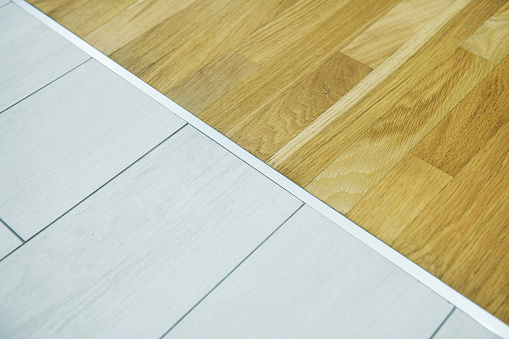
Wood and tile flooring transition in the Washington Metropolitan Area

Choosing the Right Type of Transition Strip

There are many different types of transition trips to match all types of flooring. We can help you choose the best transition strip for your flooring. Some of the most common types of transition strips include:

  • Carpet to Tile Transition – This unique transition strip seamlessly merges a low-pile carpet and a ceramic tile floor. It features a hidden aluminum strip that is tucked beneath the carpet edge, equipped with upward-facing spikes that latch onto the carpet. Typically, this strip has a width of 2″.
  • 4-In-1 Transition Strip – This transition strip has interchangeable parts that work perfectly for various flooring. It includes T-molding and a metal channel for mounting. It can use carpet strips, a hard surface reducer, and end molding with its T-molding for the perfect transition.
  • T-Strip for Hard Surfaces – Our T-shaped aluminum transition piece is designed to seamlessly connect two hard-surface floors of identical heights. The installation process entails applying a specific sealant in the gap between floors, after which the vertical section of the ‘T’ is pushed into the cavity where it bonds effectively with the sealant. These transition strips typically range in width from 2 to 5 inches.
  • Tile-to-Laminate Transition – The transition strip is specifically designed to merge laminate and tile flooring. This hardwood strip, with a usual width of about two inches, comes unfinished, enabling one to stain it to harmonize with the laminate flooring’s coloration. The distinctive feature of this transition strip is its molding with offset grooves crafted to correspond with the variable thickness of the different flooring.
  • Wood-to-Wood Seam Binder – Seam binders are usually about five inches wide and made of hardwood with beveled edges. They bridge two wood floors that are equal heights. This type of transition piece is typically unfinished, so you can stain it to complement your style perfectly.
  • Vinyl to Tile Transition – This wooden transition bar is designed to provide a seamless progression from a thinner vinyl floor to a thicker ceramic or stone tile floor. Generally, the vinyl flooring will be thinner than the laminate. Typically, the width of these bars ranges from 2 to 5 inches.
  • Carpet Edge Gripper – A carpet edge gripper, fashioned from aluminum, utilizes its sharp metal prongs to secure the edge of a carpet. It facilitates its transition to any nearby surface located beneath the level of the carpet. The installation process automatically secures the carpet backing, a technique similar to the use of tackless strips to fasten a carpet around the room’s periphery.

How to Match the Color

Finding a harmonizing match can be challenging when using a T-strip to blend two floors with a significant color difference. Aim for the color that best corresponds with one of the floors for the most cohesive look. If you cannot match the color, resort to applying a neutral material in between to achieve balance.

How to Choose the Correct Type of Transition Strip

Our experienced team will help you determine the best type of transition strip for your flooring. Whether your flooring needs wide floor transition strips or a seamless transition piece that blends with your flooring, we can help you. We’ll meet with you to discuss your design goals and determine the best transition strip type for your needs.

Contact Elegant Floor Service

Elegant Floor Service understands that a meticulously done flooring transition can significantly enhance your home’s design style. You can achieve an uninterrupted aesthetic flow across your home with the right installation. Pre-planning and strategic thinking are crucial for a successful installation. For the paramount quality of installation, placing your trust in our reliable flooring team is essential. Elegant Floor Services is here for all your flooring needs. Contact us today to learn more about attic flooring.

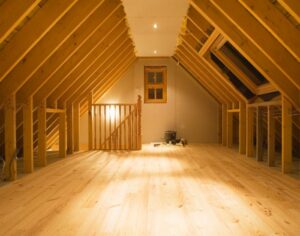
Here's an alt tag for the image: `Luminous attic under construction with wood flooring`

Best Flooring Options to Finish Your Attic

The attic, often overlooked as mere storage space, holds immense potential for expansion. If you’re starting an attic renovation, flooring is one of the first things to consider. From a construction perspective, the attic is crucial in providing your house with insulation and structural stability. A wrong flooring choice or improper installation can result in hefty repair costs running into thousands of dollars. Elegant Floor Services guides customers in Silver Spring, MD, in the best attic flooring ideas for their unique space.

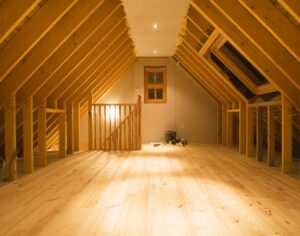
flooring options in attic at Washington Metropolitan Area

Choosing the Ideal Flooring for Attics

The seasoned attic flooring specialists at Elegant Floor Services offer various choices for ideal attic flooring. Some of the most common attic flooring options include:

  • Tongue-and-Groove Wood—Tongue-and-Groove refers to routed profiles along the boards’ edges, allowing them to interlock quickly and easily with their neighbors. The only downside is that seasonal temperature changes can cause the boards to expand and contract, creating small gaps between them over time. These flooring panels have an interlocking feature, making them easy to fix.
  • Luxury Vinyl Plank—Due to their sturdy nature, Luxury Vinyl Plank flooring products are a top choice for attic flooring. Made from a hardy plastic material that resembles natural wood, the planks can endure scratches, varying temperatures, and humidity.
  • Engineered Hardwood—If your preference leans towards genuine wood, engineered hardwood demands less upkeep and refinishing than standard lumber. It consists of actual hardwood affixed to a plywood tongue-and-groove base, offering additional support and minimally expanding or contracting compared to pure hardwood panels.

Essential Factors About Finishing Your Attic’s Flooring

It’s paramount to thoroughly inspect your attic space before venturing into floor installation. Some attics require a significant revamp before flooring, while others are not simply designed to be completed.

The following are some crucial indications when assessing your attic’s aptness for flooring:

  • Floor Joists – Floor joists are the horizontal components that will form the framework of your finished attic flooring. The size and intended use of the space will determine the need for either 2×6 (1-1/2-in. x 5-1/2-in.), 2×8 (1-1/2-in. x 7-1/2-in.), 2×10 (1-1/2-in. by 9-1/2-in.) or 2×12 (1-1/2-in. by 11-1/2-in.) joists. The broader and closer the joists, the firmer the attic floor will be to bear furniture or heavy elements. If your joists are just 2×6 or 2x8s, it would be wise to halt any proceedings until a proficient builder has fortified the floor frame.
  • Framing – Contemporary roofs often incorporate preassembled trusses that perfectly mirror your roof’s design and shape, simplifying and accelerating the framing process for builders. Trusses can significantly limit the available attic space due to their floor-to-ceiling layout. If your attic features trusses, then it’s probably better to utilize it merely for storage. Roofs that incorporate rafters or structural insulated panels (SIPs) are an exception as they produce spacious attics.
  • Insulation—Many old home attics were designed for storage only and lack roof insulation. Instead, they depend on insulation situated between the attic floor joists to regulate the temperature in the rooms beneath, keeping them warm during winter and cool in the summer. If this describes your situation, you have to install insulation methods, such as batts, spray foam, or blown-in cellulose insulation.

Key Points to Consider for Attic Flooring Installation

Apart from considering the physical structure, ensuring your attic has sufficient floor area for its anticipated use, such as a bedroom or storage room, is essential. It’s essential to remember that various neighborhoods will not acknowledge an attic where the roof height is under 6’8″ to 7’6″ from the floor. While you can proceed with the project, it won’t contribute to the lawful square footage of your residence. Our team will meet with you to determine if your attic is suitable for storage or living.

Professional Attic Flooring Installation Benefits

While installing loft flooring on your own may seem cheaper, it could result in substantial house repair costs over time. Some of the most important advantages of employing our professionals include:

  • Precise Estimations on Weight Distribution – Our experienced team members can precisely evaluate your attic’s components, such as joists, trusses, insulation, and more, to determine the best reinforcement strategy.
  • Innovative Flooring Suggestions—If you want to create additional habitable space or boost your property’s value, our professionals can recommend modifications that will add the most value.
  • Preemptive Measures—Our experienced team knows how to install attic flooring properly. When you attempt this independently, you risk costly mistakes.

Contact Elegant Floor Service

Elegant Floor Service helps customers choose the best attic and home flooring. We’re here for you whether you want to use your attic for additional storage or a living space. Contact us today to learn more about attic flooring.

Empty alt attribute