Category Archives: Flooring

Step-by-Step Guide to Installing Luxury Vinyl Plank Flooring


Your Step-by-Step Guide to Installing Luxury Vinyl Plank Flooring

Are you looking for a versatile, stylish flooring option that won’t break the budget? Luxury vinyl plank (LVP) flooring is a great choice that can offer durability, a wide range of design choices, and a simple installation process. With LVP flooring, you can opt for professional installation or install your new flooring yourself. Here’s a closer look at what you should know about luxury vinyl plank flooring installation in the Washington Metro Area, along with some helpful tips from our pros to get the job done right.

Luxury Vinyl Plank Flooring Installed by Elegant Floor Services in Baltimore & DC metropolitan area

Why Luxury Vinyl Plank Flooring Is a Smart Choice

LVP flooring is a great choice because it is resistant to scratches, waterproof or water-resistant, budget-friendly, and resistant to fading and UV damage. Plus, luxury vinyl plank flooring offers seemingly endless design choices, as it can mimic the look of natural stone and wood in all types of stains and grain patterns. It’s also a popular choice for homeowners because it is one of the easiest types of flooring to install, so you might choose to install it yourself.

Pre-Installation Essentials You Can’t Skip

Before installing LVP flooring, you must remove everything from the room where the flooring will be installed. LVP is a floating floor, so it can be installed over many types of existing flooring, but if the space currently has carpet, vinyl flooring with cushion backs, or damaged flooring, the existing flooring will need to be removed. Prior to installation, the subfloor should be thoroughly cleaned.

Step-by-Step Installation Process

Vinyl plank flooring clicks and locks into place, making it easy to install without a big mess. Here are the steps you need to follow:

  • Measure Your Space and Determine the Flooring Layout – Measuring your space will let you determine how much flooring you need. Be sure to consider the orientation of your vinyl planks when taking measurements. It’s generally best to install planks parallel to the longest wall in the room.
  • Gather Your Tools – You’ll need a few specific luxury vinyl plank flooring installation tools, including measuring tape, a level, vinyl cutters or a utility knife, a pencil, a rubber mallet, and a straightedge.
  • Check Your Flooring for Defects – Before installing your flooring, inspect it for any defects or imperfections. Then, shuffle the planks to create a more natural appearance, as each one will have a unique grain pattern.
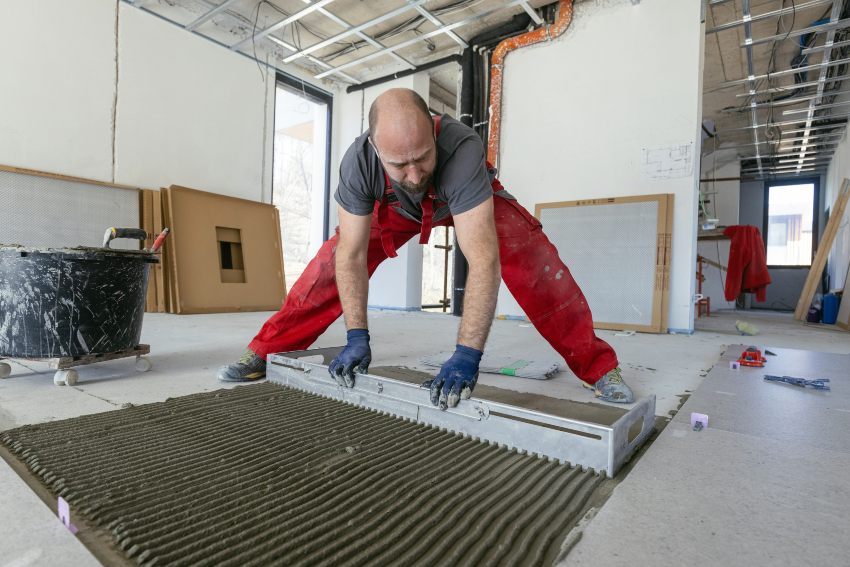
  • Prepare the Subfloor – Make sure the subfloor is rigid, level, and clean before installing new flooring. You may need to sand down raised areas or fill in gaps to make a smooth and even surface.
  • Lay Down Your Planks – Once your subfloor is ready, you can begin to lay down the planks. You’ll need 1/4” of buffer space between the edge of the floor and the wall. You will likely need to cut planks along the edge to get the right fit. Use the cut pieces to start the next row so that you achieve a staggered look for a more pleasing grain pattern. Work from right to left on each row. Lightly tap the planks with the mallet to lock them in place.
  • Reattach Baseboards and Molding – After your flooring is in place, you can reattach your baseboards and molding. Apply caulk to the seams for a smooth and flawless finish.

What Should You Do After Installation to Keep Your Floors Looking New?

Vinyl floors are easy to maintain. Regular sweeping or vacuuming will remove dirt and dust, and occasional mopping with a mild cleaner can remove tougher grime. Clean up any spills right away.

Common Mistakes to Avoid During Installation

Although the installation process is relatively straightforward, there are some common mistakes you should avoid:

  • Not cleaning and leveling the subfloor
  • Not leaving a ¼” expansion gap around the floor edges
  • Using too much force along the joint edges
  • Not staggering plank seams on each row
  • Inaccurate measurements or cuts

Expert Tips to Make Your Installation Easier and Flawless

To prevent your LVP flooring from looking like a failed DIY project, follow these helpful tips from our pros:

  • Undercut door jambs to allow the planks to fit underneath.
  • Let your planks sit in the room for 24-48 hours before installation, so they don’t expand or contract significantly after installation.
  • Measure each room carefully.
  • Plan the layout before installing your planks to avoid ending up with an extremely narrow final row or gaps in the flooring.
  • Purchase 10-15% more flooring than you need to cover the room’s square footage to allow for mistakes, waste, and future repairs.

Find the Right Flooring for Your Home

If you are considering luxury vinyl plank flooring for your home, contact Elegant Floor Services to explore our selection and get a free estimate for your flooring project. Whether you choose DIY or professional installation, we can help you find the right vinyl planks to suit your tastes and budget. Contact us today to get started.

Signs Your Travertine Floors Need Professional Sealing


Travertine floors are a popular choice for homeowners because they offer a warm and elegant appearance and can last for decades with the right care and maintenance. One of the essential components of travertine floor care is professional floor sealing, which protects the porous surface of the natural stone tile and provides a beautiful, high-shine finish. Elegant Floor Services can take care of your stone floor restoration needs in the Washington Metro Area. Continue reading for a closer look at the signs that your tile floors need professional sealing.

Travertine Floors with Professional Sealing by Elegant Floor Services in Baltimore & DC area

Get to Know Your Travertine Tile Floors

Travertine is a type of natural stone that is formed in mineral springs and caves. It has a light tan color and a unique textured surface that adds depth to your flooring. Travertine tiles may be buffed for a glossy appearance, or they may be honed for a smooth matte finish. With either style, travertine tiles need to be sealed because the tile is porous, so it can absorb water, chemicals, and spills, which might stain, discolor, or degrade your floors over time.

Key Signs Your Travertine Floors Need Professional Sealing

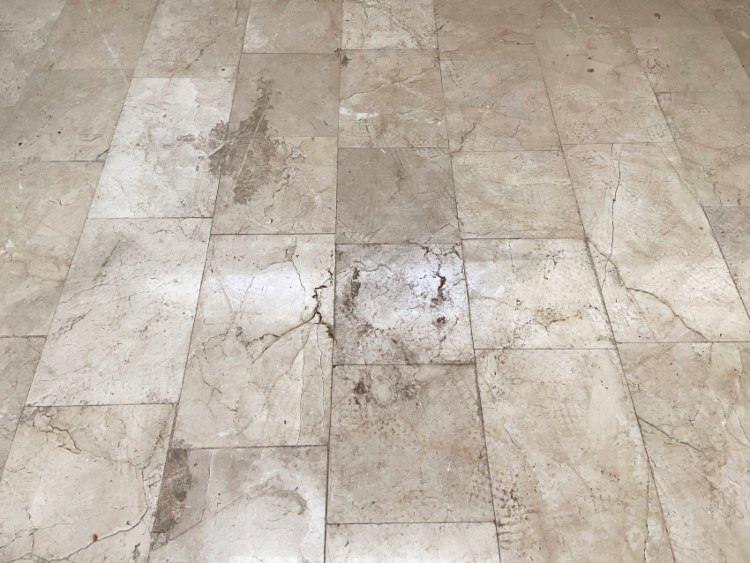
Your floors face regular wear and tear from foot traffic, pets, cleaning, and tracked-in dirt and grime. Additionally, humid weather and heat can further stress your floor’s finish. As the sealant on your travertine floors wears down, the tile may become damaged with scratches, stains, or etch marks that need to be polished out before the floor is resealed. To prevent long-term damage to your floors, routinely inspect them for common signs that the sealant has worn down and needs to be reapplied:

  • Increased Porosity – Sealant creates a watertight barrier over your travertine tile, so if you notice that the tile is more porous, the sealant has likely worn down. A quick test to assess the porosity of your tile is the water test, in which you will pour a small drop of water onto a clean spot on the floor. If the water beads up, the sealer is working properly. If the water soaks in and darkens the stone, plan to reseal your floors.
  • Dull or Faded Appearance – You might notice that the floors begin to look uneven, with higher traffic areas appearing darker or duller. Areas might look chalky or lack their smooth and vibrant finish.
  • Stains and Discoloration – Sealed travertine is resistant to stains, as liquids will sit on the surface of the tile, so you can easily wipe them away. Without a proper seal, liquids may penetrate the tile and leave behind stubborn stains.
  • Increased Need for Cleaning – Another common sign that your travertine floors need sealing is that they seem to hold on to more dirt and grime, so you have to clean them more often.

Benefits of Professional Sealing Over DIY

By seeking out a professional for stone floor restoration, you can ensure the best possible results while minimizing potential damage to your floor. Our professional team will help you choose the right sealer, deep clean the entire surface of the floor, repair any damage to the tiles or grout, and then apply the sealer evenly and smoothly.

How to Maintain Sealed Travertine Floors

When you keep your floors sealed properly, travertine tile cleaning and maintenance is simple and easy. Simply sweeping and mopping will remove dirt and eliminate buildup. You should also address any spills right away, especially if you spill something that’s prone to staining, like oil or red wine. Using door mats, hallway runners, and area rugs will help protect your tile in high-traffic areas and provide a buffer between your heavy furniture and the floor.

Restore Your Stone Floors With Elegant Floor Services

Elegant Floor Services provides comprehensive stone floor restoration, cleaning, and sealing, so you can maintain the beauty and value of your natural stone flooring. If you need travertine tile sealing in the Washington Metro Area, contact us today for a free quote.

How Professional Floor Maintenance Saves You Money Long-Term

Many property owners view professional floor maintenance as an optional expense. While regular sweeping and mopping are important, they’re not a substitute for floor cleaning services. Elegant Floor Services helps maintain floors for customers in the Washington Metro Area. This guide will explain how professional floor care can prevent costly damage, extend the life of your flooring, and even increase your property’s value. Keep reading to learn why floor maintenance is a crucial component of property management.

Installing wood flooring to reduce long-term maintenance costs by Elegant Floor Services

What Happens When You Neglect Floor Maintenance?

Ignoring proper floor maintenance can lead to a variety of expensive problems. Over time, dirt, grit, and grime act like sandpaper, scratching and dulling the surface of your floors with every footstep. This is especially true for hardwood floors, which can quickly lose their shine and protective finish. Spills that aren’t cleaned up promptly can cause stains or water damage, leading to warping and discoloration.

These issues aren’t just cosmetic. When the protective layer of a floor wears away, the material underneath becomes exposed to moisture and damage. This can result in deep scratches, cracks, or rot. Eventually, the damage can become so severe that the entire floor must be replaced, which is a far more expensive project than routine maintenance. Regular floor cleaning services help remove the abrasive particles and dirt before they can cause permanent harm.

How Professional Floor Maintenance Extends Floor Lifespans

The single most important benefit of professional floor care is extending the lifespan of your flooring. Different types of flooring, such as hardwood, stone, or vinyl, have different needs. A professional flooring company understands the specific requirements of each material and uses the correct products and equipment to maintain them.

For example, hardwood floor maintenance involves more than just cleaning. Professionals can apply new coats of finish to protect the wood from scratches and moisture. This refinishing process is a simple and affordable way to keep floors looking new. Without it, you might eventually need to completely sand and refinish the floor, which is a more intensive and costly job.

Similarly, professional stone cleaning removes embedded dirt that regular mopping leaves behind. By investing in routine floor cleaning and maintenance, you can add years to the life of your floors, delaying the need for a full replacement.

Ways Professional Care Prevents Expensive Repairs

Professional floor maintenance services are proactive. They identify and address minor issues before they become major problems. During a routine cleaning or polishing service, a trained technician can spot early signs of wear and tear, such as scratches or loose tiles.

Fixing small problems early is much cheaper than waiting for them to worsen. Repairing a small scratch on a hardwood floor is a simple task. If left untreated, that scratch can deepen and collect dirt, eventually requiring a more significant repair. A professional floor polishing service can buff out these imperfections and apply a protective sealant. This proactive approach prevents the need for expensive, large-scale repairs in the future.

Improved Performance and Protection

Floors in high-traffic areas need extra protection to withstand daily wear. Professional floor care services can apply specialized coatings and sealants that create a durable barrier against dirt, moisture, and scratches. These protective layers not only make your floors last longer but also make routine cleaning easier.

When a floor is properly sealed, dirt and spills stay on the surface instead of seeping into the material. This means they can be wiped away easily, reducing the time and effort needed for daily upkeep. This added protection is especially important in commercial settings where floors experience heavy foot traffic. A well-maintained floor is also a safer floor, as services can include applying slip-resistant finishes to reduce the risk of accidents.

Long-Term Maintenance Plans Reduce Costs

Many professional flooring companies offer maintenance plans that can further reduce your long-term costs. By signing up for a regular service schedule, you can get a better rate than you would for one-time services. These plans are tailored to your specific needs, ensuring your floors get the right care at the right time.

A maintenance plan eliminates the guesswork from floor care. You won’t have to worry about when to schedule your next floor polishing service or deep cleaning. The professionals will handle it for you, keeping your floors in excellent condition year-round. This consistent care prevents the buildup of damage and ensures that your flooring investment is always protected, ultimately leading to lower overall costs.

Professional Maintenance Can Increase Your Property Value

Floors are one of the first things potential buyers or tenants notice when they enter a building. Clean, shiny, and well-cared-for floors create a positive first impression and can significantly increase your property’s market value.

If you’re planning to sell your property, investing in professional floor maintenance can provide a substantial return. Buyers are willing to pay more for a home or commercial space that is move-in ready and doesn’t require immediate repairs. Showing that you have professionally maintained the floors demonstrates that you’ve taken good care of the entire property.

Contact Us for Floor Cleaning Services in the Washington Metro Area

If you’re in the DMV area, our team at Elegant Floor Services can provide the expert care your floors need. We offer hardwood floor maintenance, routine floor cleaning, and more to save you money and keep your floors looking their best. Contact us today to schedule a consultation.

How to Maintain Marble Floors Without Losing Their Shine

Marble flooring offers a classic look that instantly adds value and elegance to a room. However, marble is also a natural stone that requires specific care. Unlike ceramic or porcelain tile, marble is porous and relatively soft, meaning it can scratch, stain, or lose its luster if treated with the wrong products. But if you live in the Washington Metro Area, professional help is available. Elegant Floor Services specializes in maintaining marble floors for homeowners throughout the DMV. Our team deep cleans, polishes, and seals marble floors to keep them looking their best.

Polishing the concrete floor with a professional floor machine by Elegant Floor Services

Common Causes of Dull Marble Floors

Before you can effectively maintain your marble floors, you must understand what damages them. Marble is made of calcium carbonate, which reacts quickly with acids. This reaction causes “etching,” which looks like a dull, matte spot on the surface. The most common reasons for dull marble include:

  • Abrasive Dirt – Sand and dirt particles brought in from the outside act like sandpaper under your shoes. Over time, walking on dirty floors creates microscopic scratches that diffuse light, making the floor look dull.
  • Acidic Cleaners – Using vinegar, lemon juice, or general bathroom cleaners on marble can instantly damage the surface.
  • Heavy Foot Traffic – The polished finish naturally wears down in high-traffic areas fastest.
  • Improper Mopping – Using a dirty mop or too much water can leave streaks and a cloudy film on the surface.

How Often You Should Clean Your Marble Floors

Consistency is key when learning how to clean marble floors. You cannot neglect them for weeks and expect them to stay shiny. A good schedule prevents dirt buildup that leads to scratches.

  • Daily – You should dust mop your floors every day to remove the abrasive grit that causes scratches.
  • Weekly – Perform a wet cleaning with a pH-neutral cleaner once a week, or more often in high-traffic areas like entryways and kitchens.
  • Annually – Consider professional maintenance or resealing every one to two years, depending on the level of use.

Daily Marble Floor Maintenance Essentials

The most effective way to keep your floors shiny is to remove dirt before it gets ground into the stone. For daily maintenance, avoid using a vacuum cleaner with a beater bar or rotating brush, as this can scratch the stone. Instead, use a clean, dry dust mop. Microfiber dust mops are ideal for marble flooring because they effectively trap dust and dirt without scratching the surface. Run the dust mop over the floor at the end of every day. This simple step is the most important defense against dullness.

Safe Cleaning Products for Marble

When it’s time for a wet clean, you must choose your products carefully. Never use standard household cleaners unless they specifically state they’re safe for natural stone.

  • Warm Water – Sometimes, warm water is all you need for a light clean.
  • pH-Neutral Stone Cleaner – These cleaners are chemically balanced, meaning they’re neither acidic nor alkaline. They clean without damaging the sealant or the stone itself.

To clean, apply the solution with a soft mop or microfiber cloth. Also, change the water frequently. Mopping with dirty water will only redeposit soil onto the floor, leaving it looking cloudy.

Be sure to avoid using vinegar, ammonia, bleach, citrus cleaners, and scouring powders. They will strip the polish and damage the stone.

Preventing Damage and Dullness

Prevention is always easier than restoration. Small changes in your household habits can significantly extend the life of your marble floor polishing.

  • Use Entry Mats – Place high-quality mats inside and outside all entrances. These mats catch dirt, sand, and asphalt from shoes before they reach your marble.
  • Remove Shoes – Adopt a “no shoes” policy in the house. This drastically reduces the amount of grit brought onto the floor.
  • Use Furniture Pads – Place felt protectors under the legs of chairs, tables, and sofas. Dragging heavy furniture across marble will leave deep scratches.
  • Be Careful With Vacuums – If you must vacuum, turn off the beater bar or use a vacuum designed for hardwood floors. The wheels on heavy vacuums can cause scratches, so be careful.

How to Prevent Stains on Marble Floors

Because marble is porous, it can absorb liquids. If a colored liquid spills, it can leave a permanent stain.

  • Seal Your Floors – A high-quality impregnating sealer fills the pores of the stone. It doesn’t make the floor stain-proof, but it gives you more time to wipe up spills before they soak in.
  • Wipe Spills Immediately – Do not let spills sit. Blot them up instantly with a paper towel. Don’t wipe or rub, as this spreads the spill over a larger area.
  • Watch for Acidic Liquids – Wine, coffee, tomato sauce, and sodas are acidic. They can stain and etch the floor simultaneously. Clean these up immediately and rinse the area with water.

Long-Term Marble Floor Care Tips

Even with perfect daily care, marble will eventually show signs of wear. Foot traffic effectively wears down the polished surface over time. To maintain that glass-like reflection, you may need marble floor polishing. While DIY polishing powders are available, they require skill to use correctly. Misusing abrasive powders can ruin the finish.

For long-term care, inspect your sealant annually. You can test this by placing a few drops of water on a marble floor tile. If the water beads up, your seal is good. If the stone darkens and absorbs the water, it’s time to reseal.

Contact Elegant Floor Services in the Washington Metro Area Today

Elegant Floor Services provides professional care for marble flooring in the DMV area. We have the equipment and expertise to grind, hone, and polish marble floors to restore their original beauty. Contact us today to schedule a consultation.

What Is the Difference Between Refinishing and Resurfacing Wood Floors?

Recoating, Refinishing, & Restoring Wood Floors Explained

Hardwood floors are built to last, but daily wear can leave them looking worn or damaged. Over time, scratches, dullness, or even warped boards and deep gouges can appear. Homeowners in the Baltimore & Washington Metropolitan Areas often face the question: Should I recoat, refinish, or restore my wood floors? Our team is here to explain the differences between wood floor resurfacing vs. refinishing, how to resurface wood floors, and how to refinish wood floors.

While these terms are sometimes confused, each service differs in scope, cost, and results. Understanding what each involves will help you choose the right option for your home and avoid unnecessary expenses. Learn more about resurfacing wood floors and reach out to us in the Washington Metropolitan Area today.

An individual using a brush illustrating refinishing & resurfacing wood floors in MD, DC, & VA Area.

What Is Wood Floor Recoating?

Recoating is a light, surface-level process that refreshes the top layer of finish on your hardwood floors. It’s ideal for floors with minor scratches, scuffs, or dullness but where the existing finish is still intact.

During recoating, professionals clean the floor, lightly abrade the surface, and apply a new layer of finish to restore luster. This process doesn’t involve sanding down to bare wood or changing the stain color. Recoating is quick, affordable, and perfect for maintaining floors that are in good overall condition.

What Is Wood Floor Refinishing?

Refinishing is a more intensive process that takes the floor’s surface down to bare wood. It’s designed for floors with deeper scratches, stains, or areas where the finish has worn away entirely.

In refinishing, professionals sand off the old finish and stain, apply a new stain if desired, and seal the wood with a protective coating. The result is a refreshed floor with a smooth, updated look—potentially with a new color or sheen. Refinishing is ideal for floors with significant cosmetic damage but no structural issues.

What Is Wood Floor Restoration/Repair?

Restoration (or repair) addresses serious structural damage that goes beyond cosmetic issues. This service is necessary for floors with water-damaged boards, deep gouges, or compromised subfloor areas.

Restoration may involve removing and replacing damaged planks, reinforcing or repairing the subfloor, and leveling uneven surfaces. After structural repairs, the floor is sanded and finished similarly to refinishing. This process is more labor-intensive and time-consuming, making it the best choice for floors that are unstable or unsafe to walk on.

Comparing Recoating, Refinishing, & Restoration

Each method restores the beauty of hardwood floors, but the right choice depends on the extent of wear and damage. Here’s how to tell the difference:

  • Choose recoating if your floors have light scratches, scuffs, or dulled finish, but the existing finish remains intact.
  • Opt for refinishing if your floors have deeper scratches, stains, or worn-away finish but are still structurally sound.
  • Go with restoration if your floors have warped, water-damaged, or deeply gouged boards, or if the subfloor is compromised.
  • Select restoration for missing planks, severe cracks, or structural instability that affects floor safety.

How to Decide What Your Floors Need

Not sure which service is right? Start by inspecting your floors. Check for movement underfoot, look for warping or gaps, and assess the depth of any damage. The list below can guide your decision:

  • Floors with light surface wear and intact finish typically qualify for recoating.
  • Discoloration, deeper scratches, or worn-through topcoats point to refinishing.
  • Buckling, lifting, or separated boards often require restoration.
  • Major shifting, unevenness, or subfloor damage indicates a need for restoration.

Cost Comparison: Recoating vs. Refinishing vs. Restoration

Cost is a key factor in choosing the right service. Here’s what you can expect in terms of typical rates in the Washington Metropolitan Area:

  • Recoating: $1.50 to $2.00 per square foot
  • Refinishing: $2.70 to $3.00 per square foot
  • Restoration/Repair: $15 to $20 per square foot

Understanding the Process: Recoating vs. Refinishing vs. Restoration

When deciding between recoating, refinishing, or restoration, it helps to know how each works in homes across the Washington Metropolitan Area. Recoating is a quick refresh for lightly worn floors. Refinishing focuses on sanding and reapplying stain and finish for a deeper cosmetic fix. Restoration involves replacing damaged boards, repairing subfloors, and addressing structural issues before finishing. Choosing the right method can extend your flooring’s life without overspending.

Protecting Your Floors After Service

Whether you choose recoating, refinishing, or restoration, proper maintenance will keep your floors looking great for years. Follow these simple care habits to protect your investment:

  • Place felt pads under furniture legs to prevent scuffing.
  • Use a microfiber dust mop for daily cleaning.
  • Stick to pH-neutral wood floor cleaners.
  • Avoid standing water and don’t steam clean your floors.

Choosing the Right Floor Restoration Method

The best service depends on your floor’s condition. For minor surface wear, recoating is often enough. For deeper cosmetic damage, refinishing is the answer. If you’re dealing with structural issues like uneven or damaged boards, restoration is the safer, longer-lasting solution.

At Elegant Floor Services, we bring decades of experience to every project. Our team serves the Washington Metropolitan Area, offering in-home evaluations to recommend the right service based on your floor’s actual condition. Contact us today to schedule a consultation or request a quote. We’ll help restore your floors the right way, with results that last.